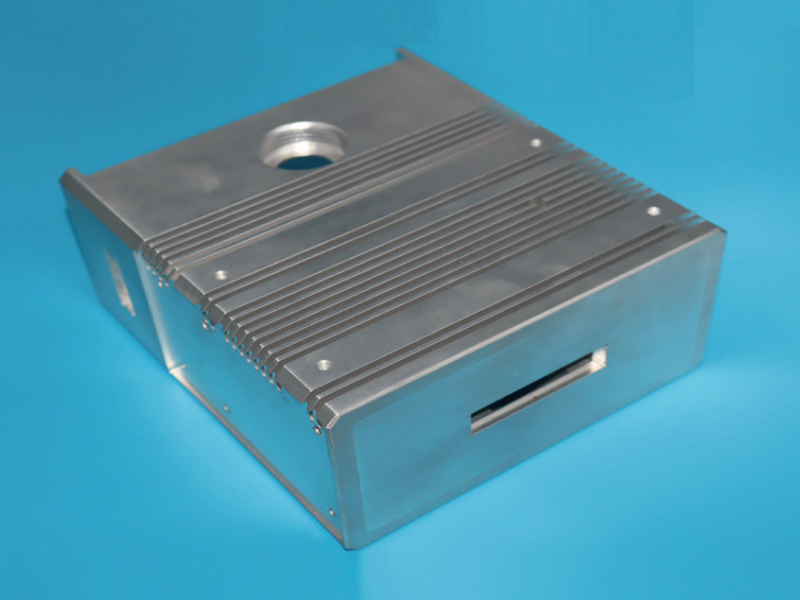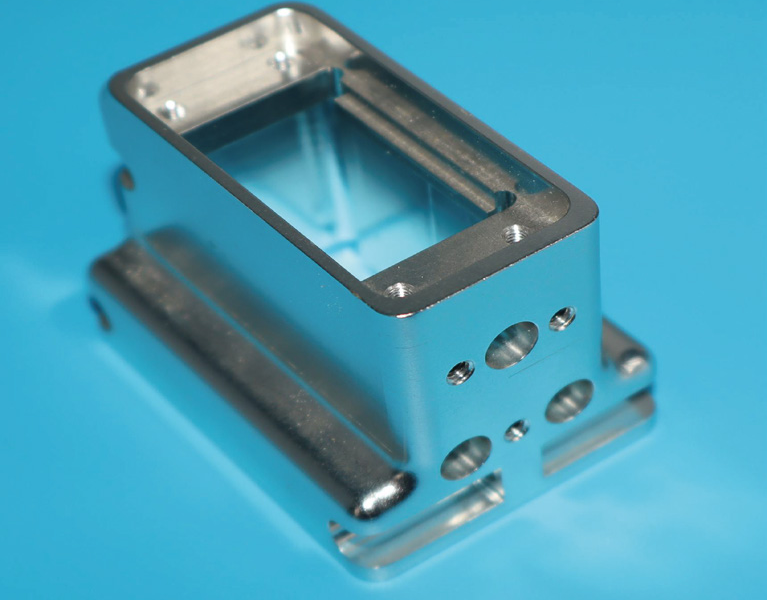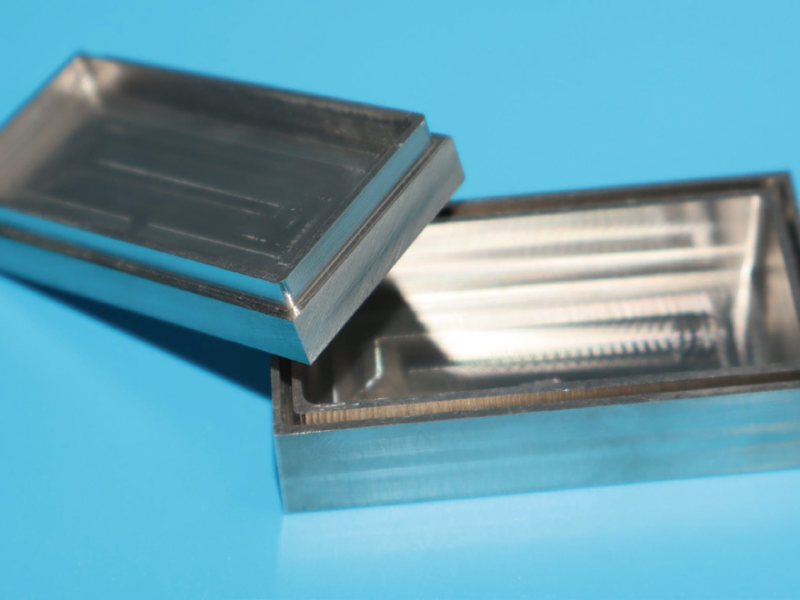

In one paragraph: Ra (roughness average) is the number machining quotes default to — “as machined” is about Ra 3.2 µm, smooth to the touch with visible tool marks. Halving Ra roughly means slower feeds, sharper tooling or extra passes, so the money move is the same as with tolerances: specify fine finish only where function demands it, and state the rest as general.
What Ra actually measures
Ra averages the absolute deviation of the surface profile from its mean line. It says nothing about direction (lay), which often matters more for seals and sliding. For critical sealing faces, add a lay or waviness callout, not just a smaller Ra.
The practical ladder
| Ra (µm) | How it’s produced | Typical use |
|---|---|---|
| 6.3–12.5 | Rough milling/drilling | Non-mating surfaces |
| 3.2 | Standard “as machined” finish | Default general surfaces |
| 1.6 | Finish pass, sharp carbide | Bearing-adjacent bores, gauge faces |
| 0.8 | Slow finish pass / light cuts | Sealing lands, gauge surfaces |
| 0.4 and below | Grinding, honing, polishing, or EDM skim cuts | Optical seats, precision spigots |
What tightening Ra really costs
Going from Ra 3.2 to 1.6 usually costs one extra finishing pass. Going below 0.8 leaves standard turning and milling territory: think grinding, honing, or dedicated polishing — each a separate process with its own setup and lead time. As with ±0.005 mm tolerances, the cost curve is a staircase, not a slope.
Three mistakes to avoid on drawings
- Blanket fine Ra on every face — you pay finishing money on surfaces nobody touches.
- Forgetting plating and anodizing build-up — coatings add thickness and their own texture; specify Ra pre- or post-finish explicitly (coating thickness basics).
- Asking for Ra without measurement method — profilometer vs comparison specimen can disagree; agree the method for disputed features.
How we handle it
Our capability benchmarks state achievable finishes per process, and every RFQ gets a DFM pass that flags which Ra callouts are routine, which are at the limit, and which belong on a different process entirely. Send a drawing — finishes are quoted against the features that carry them, not guessed.