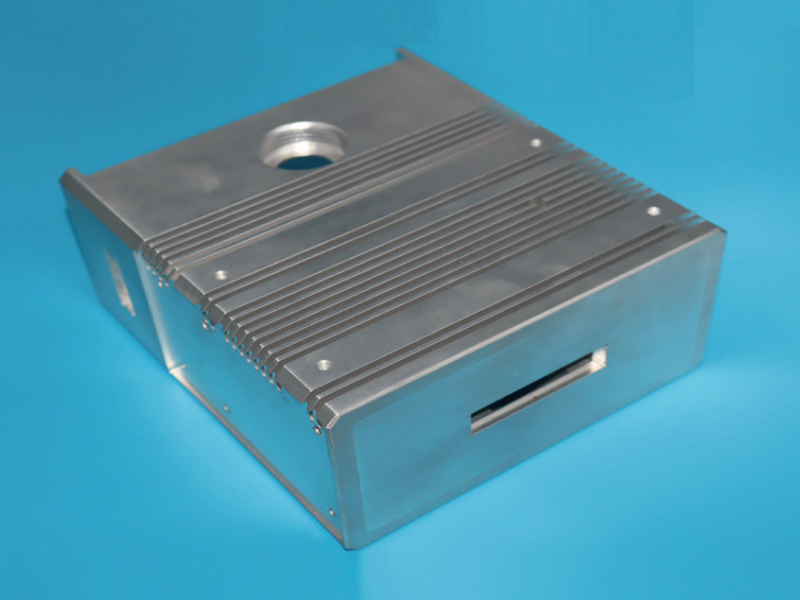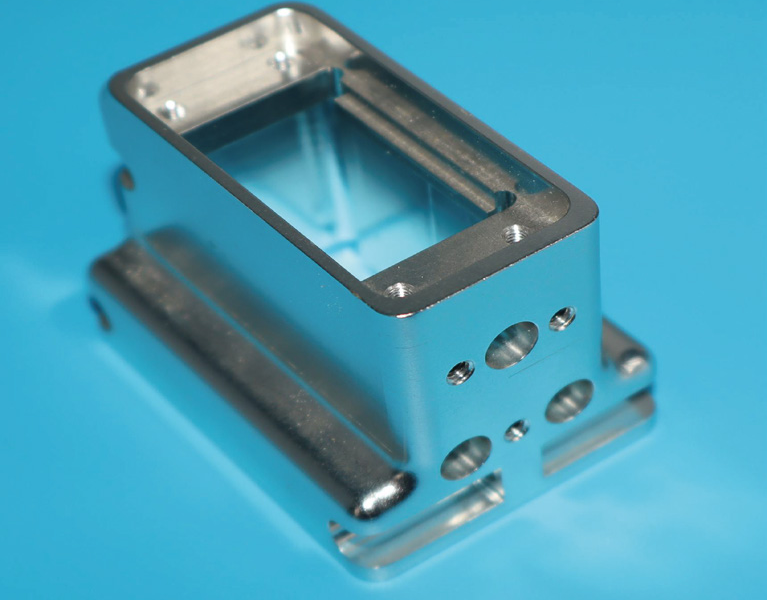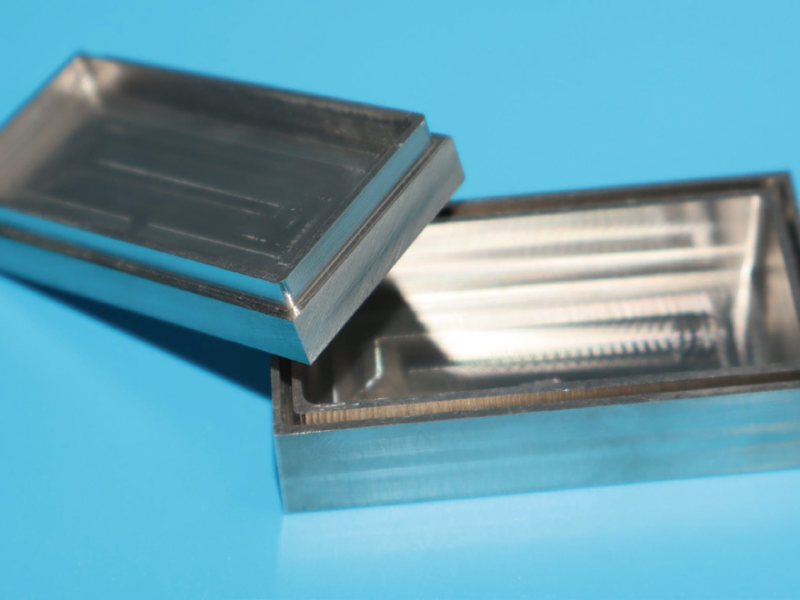

In one paragraph: wire EDM routinely holds ±0.005 mm and finishes between Ra 0.2–0.8 µm on finish cuts — accuracy that comes from multiple skim passes, not the first cut. Rough cuts run fast around Ra 2.8 µm; each successive skim trades speed for finish and geometry. Knowing the cut strategy lets you spec EDM rationally: tight where it matters, relaxed where it doesn’t.
How the numbers stack up
| Stage | Typical Ra | What it’s for |
|---|---|---|
| Rough cut (single pass) | ~2.8 µm | Bulk profiling, ~90% of everyday work |
| 1st skim | ~0.8 µm | Dimensional cleanup, straightness |
| 2nd–3rd skim | 0.2–0.4 µm | Punch/die detail, sealing profiles |
Tolerance follows the same ladder: rough cutting lands around ±0.02–0.05 mm, skimmed work ±0.005 mm, and carefully managed jobs on thermally stable machines reach ±0.002 mm. These are process benchmarks — confirm per part in DFM review.
What actually drives EDM finish
- Discharge energy — lower energy per spark means smaller craters and finer Ra, at lower removal rate. Skim passes exist to walk this down progressively.
- Wire diameter — 0.25 mm brass is standard; smaller wires give finer internal corners but cut slower and break more.
- Workpiece thickness — thick sections flush debris worse; finish degrades and cuts slow. Deep, tall parts deserve a conversation before the drawing locks.
- Material state — hardened steel cuts slightly differently than annealed; skim after heat treatment is where EDM earns its keep (process selection guide).
The recast layer, honestly
EDM leaves a thin recast (re-solidified) layer — typically a few microns — with micro-cracking risk in brittle materials. For most tooling this is irrelevant; for fatigue-critical or high-polish surfaces, plan a light grind, hone or polish pass, and say so on the drawing rather than discovering it at inspection.
Spec checklist for wire EDM work
- State tolerance per feature, not globally; mark which profiles need skim cuts.
- Specify Ra where the surface matters (seats, sealing lines) and leave the rest general.
- Internal corner radii: 0.13–0.25 mm wire radius is the practical floor.
- Tall/thick parts: flag them early — flush strategy affects cost more than most buyers expect.
Our EDM benchmarks are published on the capabilities pages; drawings go straight to engineering via the RFQ form, with cut strategy proposed per feature before quoting.