
AI Liquid Cooling & Robotics
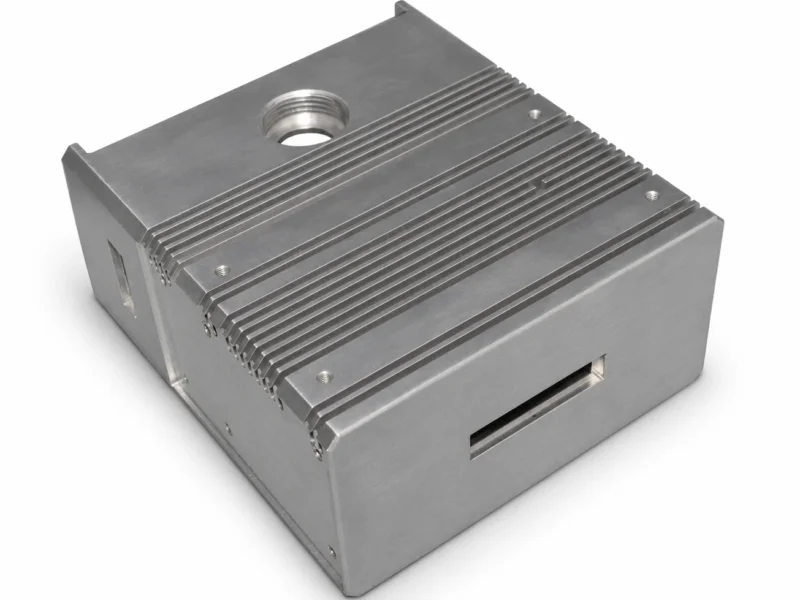
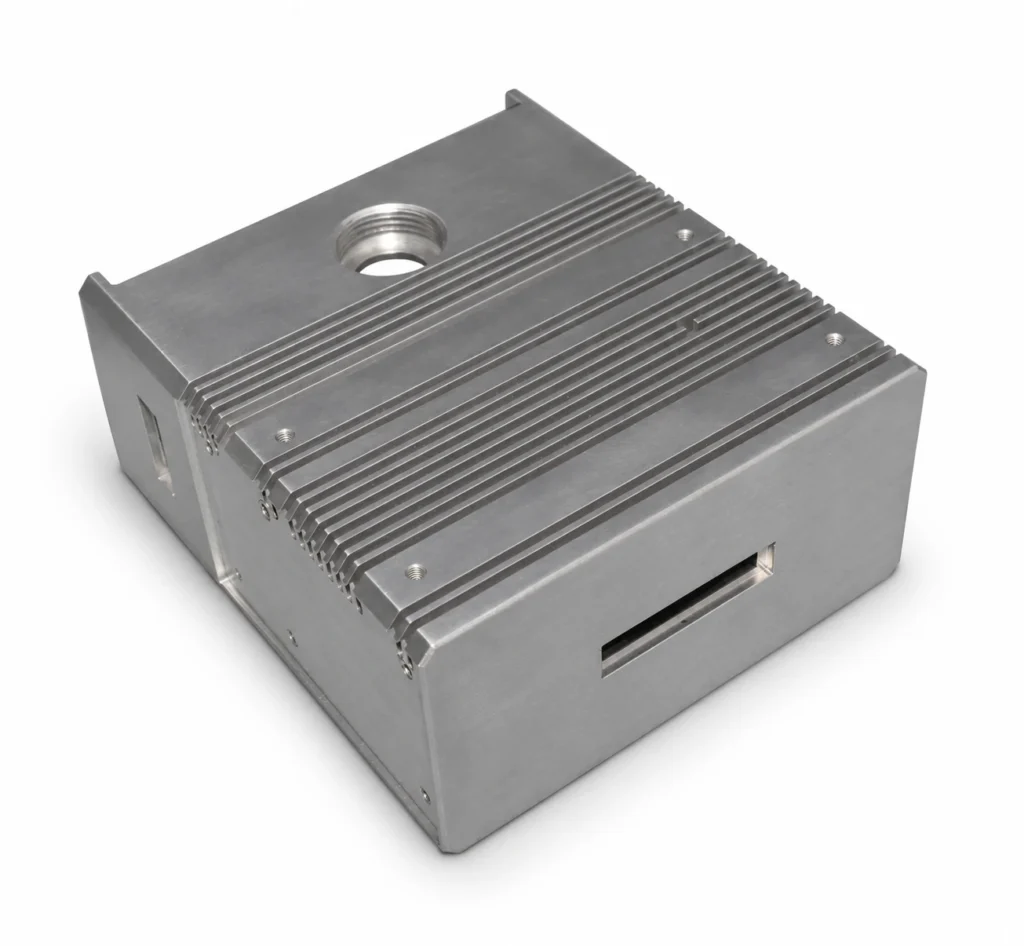
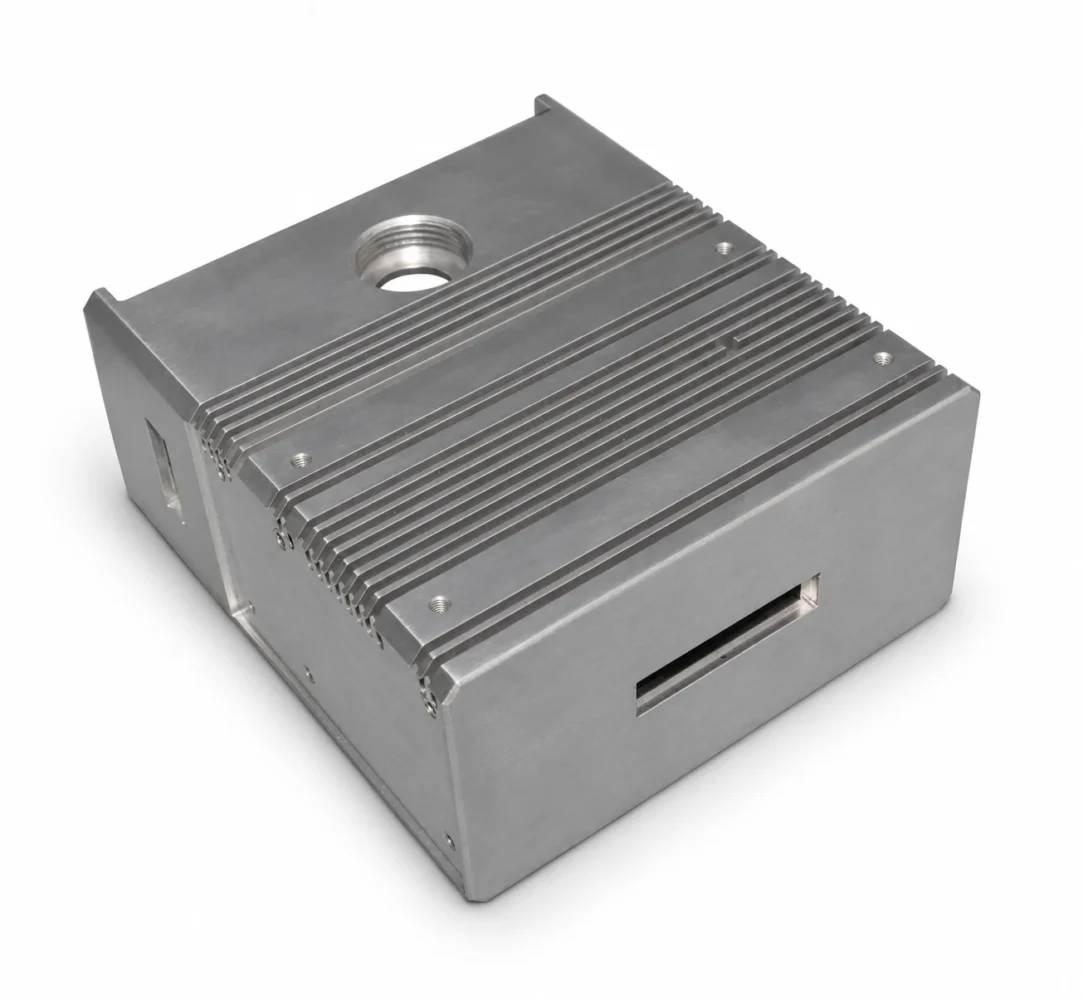
Aluminum Cold Plate for an AI Server Rack
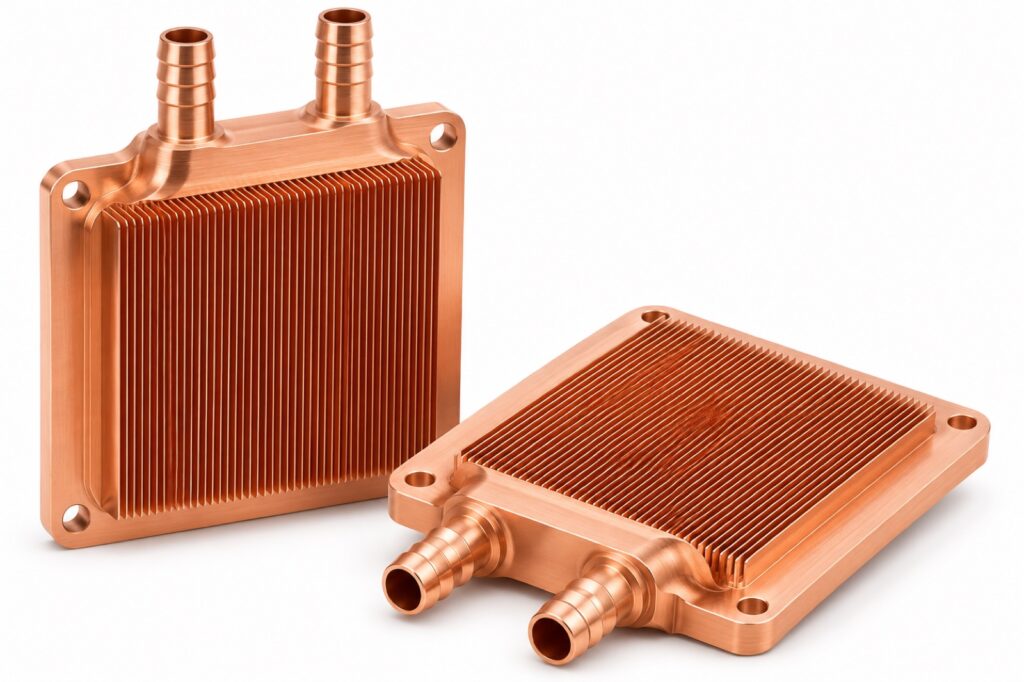
machined-channel cold plate with flat mounting faces and leak-tested joints.
ExploreTry a part name, a material (Kovar, SUS304) or a process (CNC turning, anodizing). Press Enter for full results.
Machined-channel aluminum cold plate for custom thermal management assemblies. Material, closure method, flatness and inspection requirements are reviewed against your drawing. A rough layout is enough to start a discussion.
Design considerations
Technical specifications
| Parameter | Value | Unit / Note |
|---|---|---|
| Material | Aluminum 6061 / 6063 | grade and condition per drawing |
| Channel | Serpentine or custom per drawing | dimensions, wall thickness and cleaning reviewed |
| Mounting face | Per approved drawing | flatness, datums and measurement method agreed |
| Finish | Per project specification | identify masked or untreated surfaces |
| Inspection | Per agreed plan | medium, pressure, duration and acceptance criteria |
Values shown are per this product entry; customer drawings take precedence.
Manufacturing
Review drawing and operating conditions → machine channels and ports → deburr and clean → close/join to the approved process → recheck critical mounting surfaces → carry out agreed inspections. Machining, joining and finishing sequence are evaluated for the actual geometry.
Applications
A liquid-cooled cold plate combines internal coolant passages with a mounting surface that transfers heat from the assembly. Channel geometry, contact surfaces, closure method and cleanliness need to be reviewed as one manufacturing problem.
Tell us what you need to cool and the space available. A rough layout is enough for an initial discussion. Include the mounting surface or port locations if known.
Discuss your cold-plate layout · Cold-plate sealing faces and leak tests
Dimensional acceptance and leak integrity do not establish thermal performance. If thermal verification is required, agree the heat load, flow conditions, sensor locations and evaluation method separately.
Read the channel design and verification guide, aluminum vs copper comparison and published cold-plate case.
Evidence
AI Liquid Cooling & Robotics
machined-channel cold plate with flat mounting faces and leak-tested joints.
ExploreSemiconductor & Advanced Laser · AI Liquid Cooling & Robotics
A macro-channel liquid-cooling heat sink route for high-power laser diodes, balancing heat removal, pressure drop and reliability through precision channel machining, copper machining, brazing/sealing…
ExploreSemiconductor & Advanced Laser · AI Liquid Cooling & Robotics
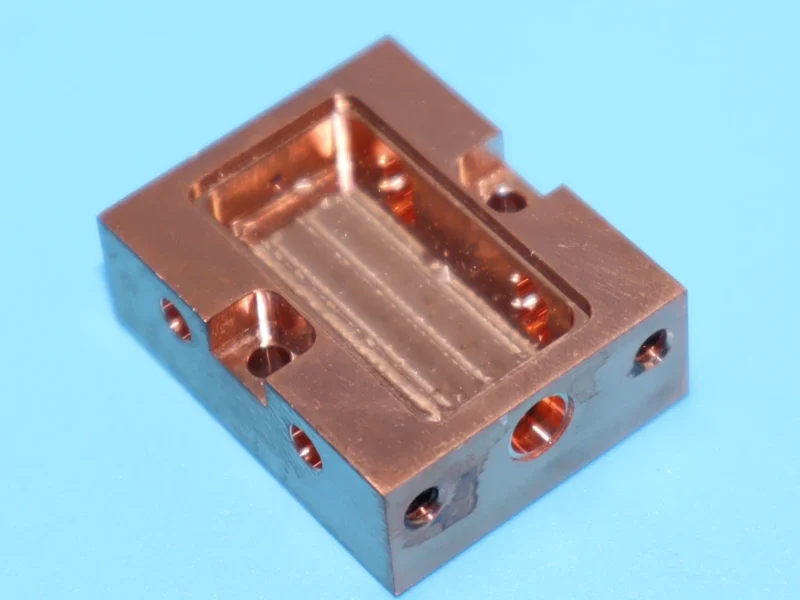
A dense internal-channel copper heat sink that concentrates fine-channel machining, thin-wall stability, burr control, joining, cleaning and leak-tight verification into one manufacturing problem.
ExploreFAQ
Review heat load, weight, cost, coolant and joining requirements together. Material conductivity alone does not establish complete cold-plate performance.
No. Leak testing checks integrity. Thermal performance requires separate verification at defined heat load, flow, temperature and measurement conditions.
Provide drawings, model, material, quantity, channels and ports, coolant and operating conditions, closure method, inspection conditions and acceptance criteria.
More in this family
Thermal Management Components
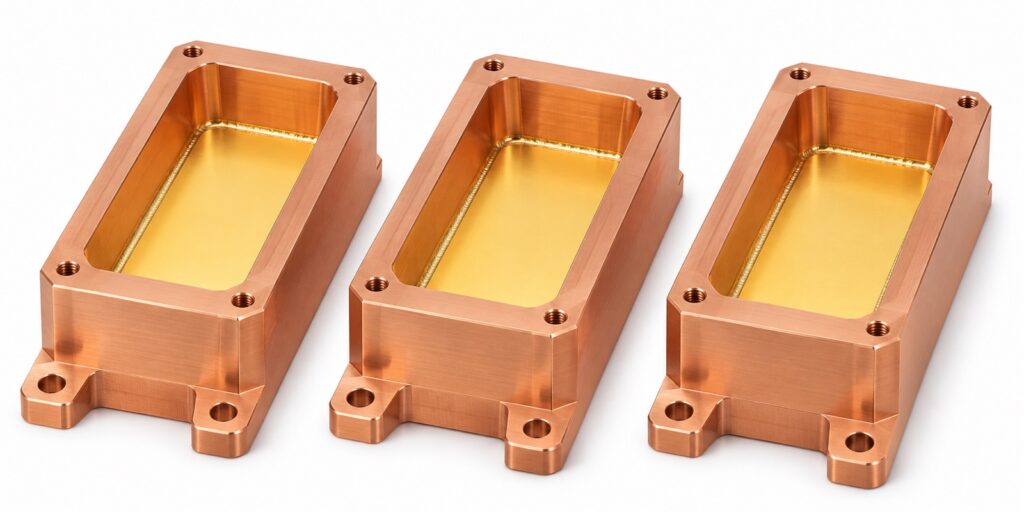
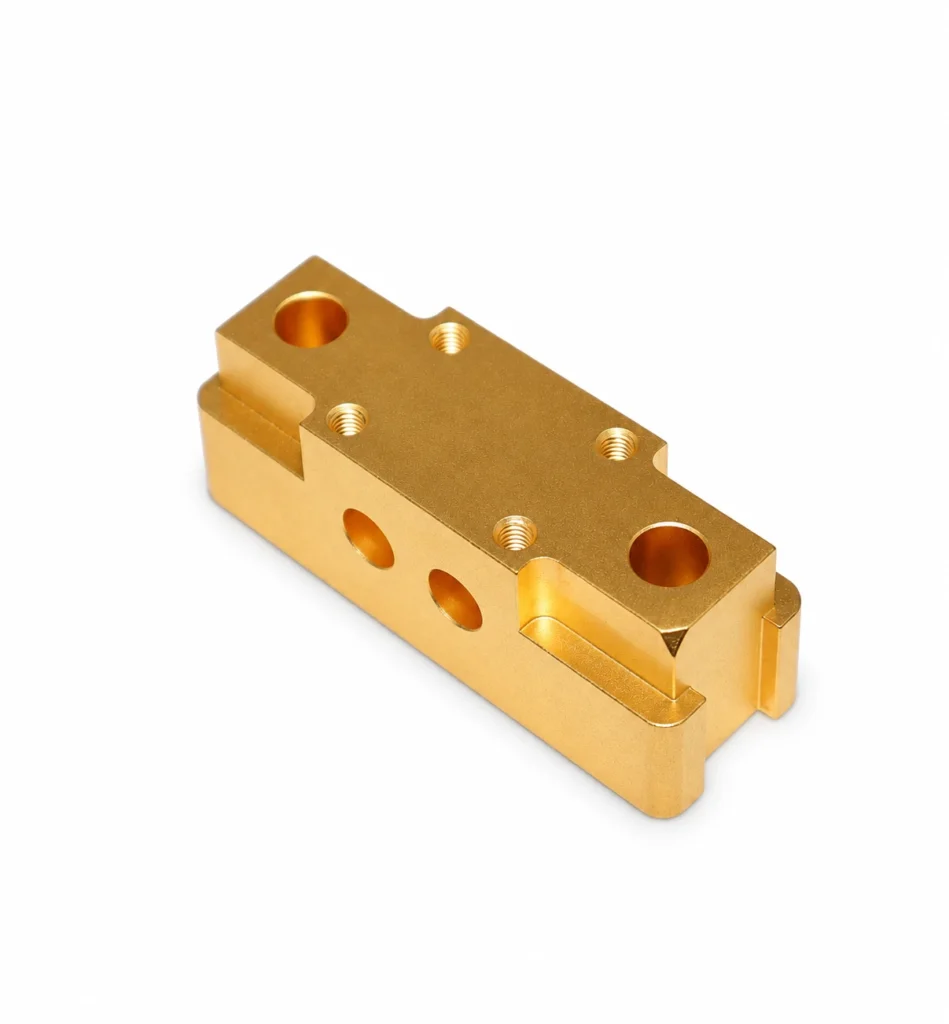
Custom gold-plated laser heat sinks and mounting bases, with holes, stepped platforms or grooves according to the design. Material, coating and critical dimensions are…
ExploreThermal Management Components
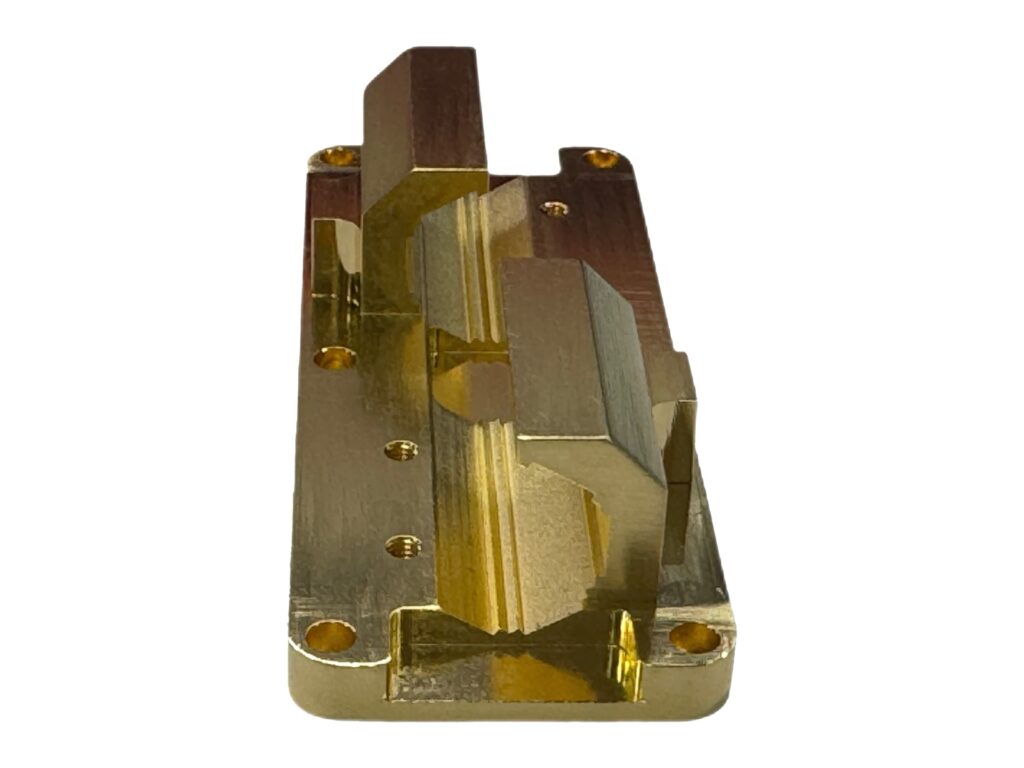
This custom precision-machined heat sink is designed for polygonal quasi-continuous-wave laser diode bar arrays (QCW Laser Diode Polygon Array, QCW-LDPA). The polygonally packaged laser…
ExploreThermal Management Components
JYX manufactures custom diamond heat sink components for high-power laser and semiconductor thermal management. Available single-crystal and polycrystalline diamond options offer exceptional thermal conductivity…
ExploreResources
Manufacturing Guides
A cold plate for an AI server is decided by four numbers before anyone quotes it: heat load per plate, flow rate with its…
ReadManufacturing Guides
Specify cold-plate sealing faces, O-ring grooves, clamping conditions and leak-test criteria before machining.
ReadManufacturing Guides
Compare aluminum and copper cold plates by material, weight, channels, joining and test scope. Includes a supplier-review and drawing RFQ checklist.
ReadRequest a Quote
Share your drawing, material, quantity and critical requirements for a manufacturing review.