
On this page
Engineering summary. Review a Kovar housing’s coating specification together with its sealing or brazing route. Define the nickel underplate and gold layer, plated and masked zones, and the sequence of heat treatment, joining and plating. Direct glass sealing and brazing to metallized ceramic are different interfaces and need separate surface requirements.
Plan the base part with our Kovar machining guide and specify coating zones using the selective gold-plating RFQ guide. Review the laser package housing and electroplating capability against your drawing.
What the Kovar substrate and gold layer each do
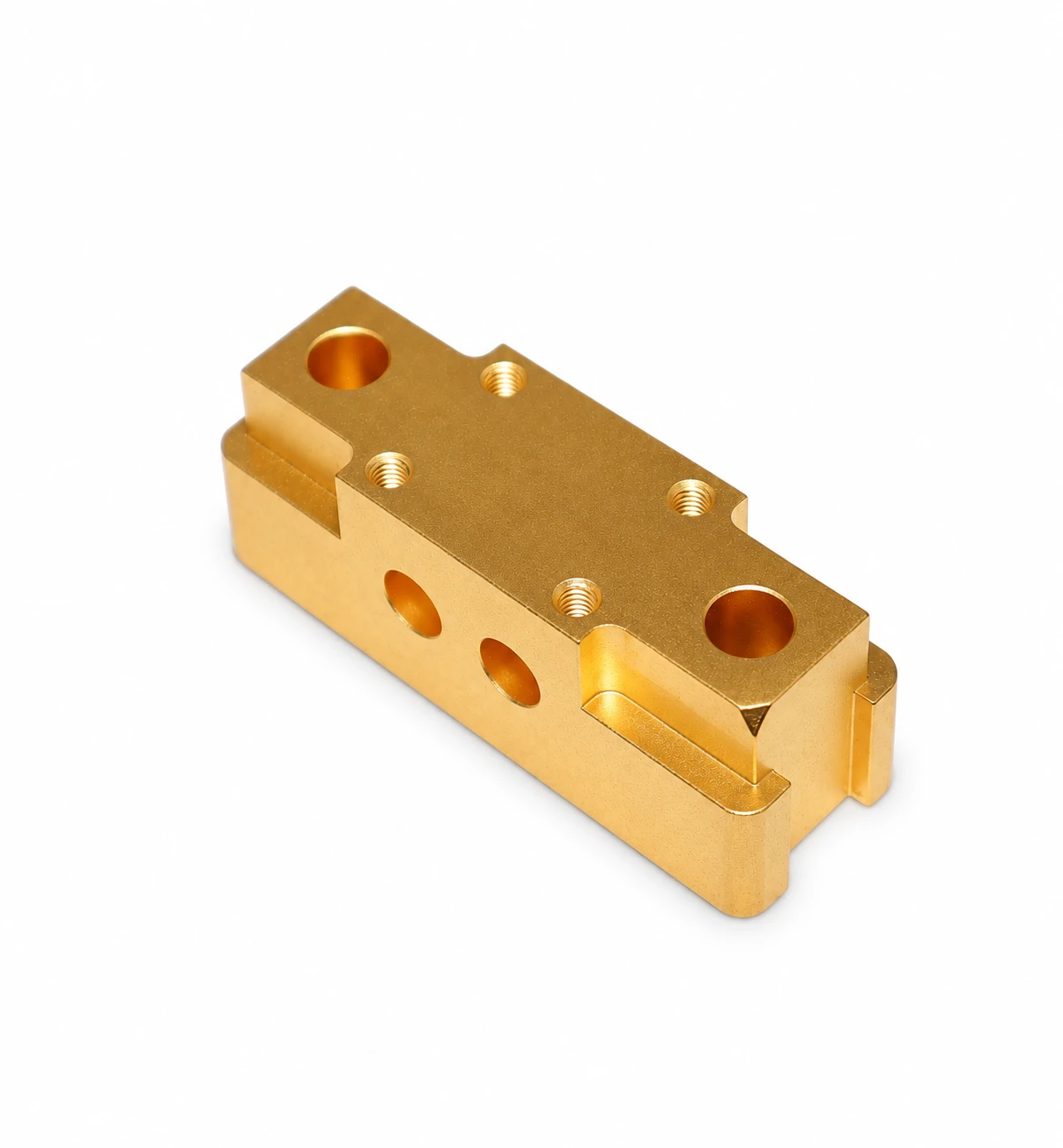
Kovar is a low-expansion iron-nickel-cobalt alloy used with selected glasses and ceramics. The Carpenter Kovar data sheet describes that supplier’s material and preparation for sealing. Confirm the specified alloy standard and material certificate rather than assuming 4J29 and ASTM F15 are interchangeable purchase requirements. Specify the gold finish separately against the intended joining process and acceptance criteria.
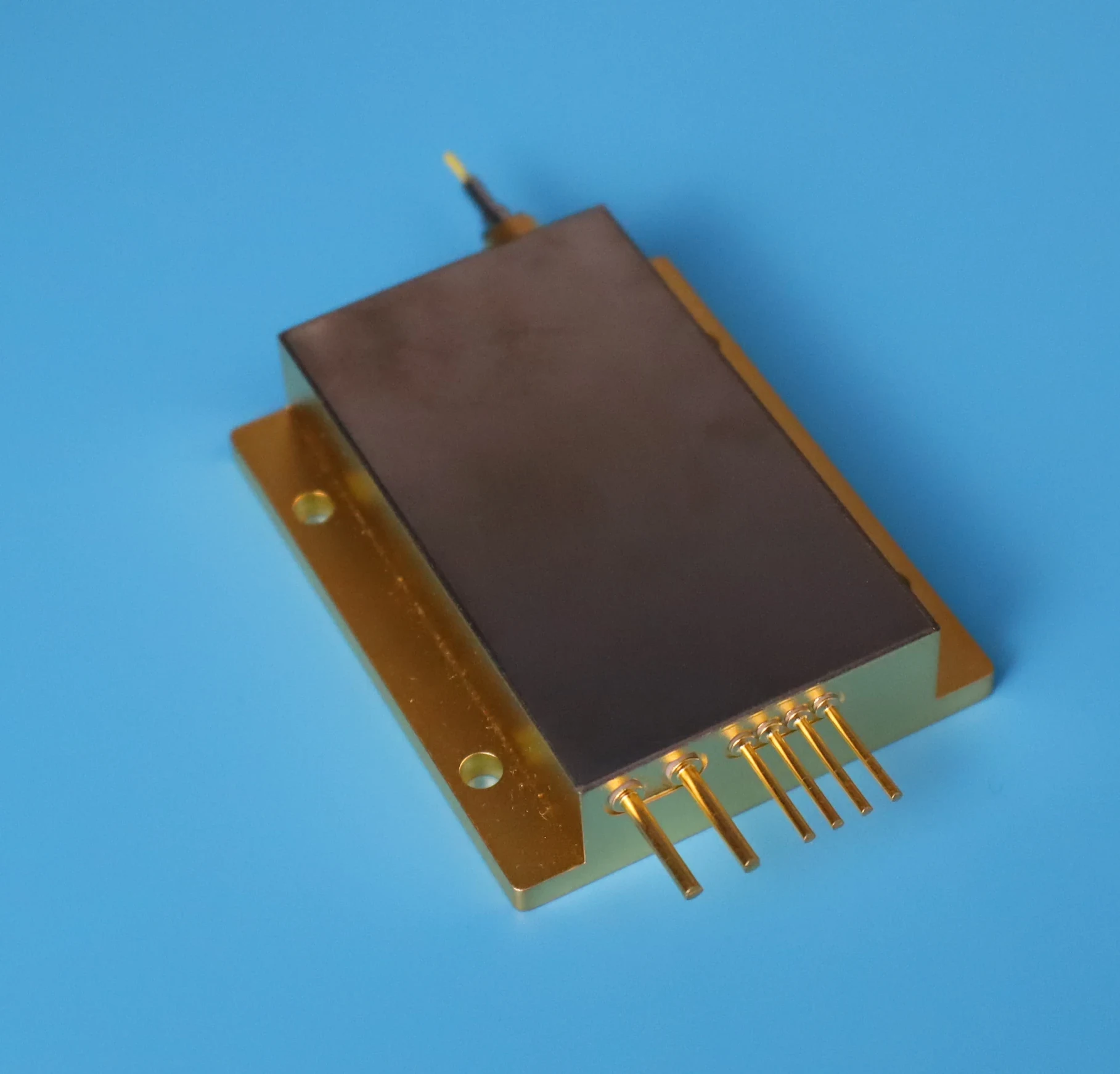
Specify the nickel underplate with the gold layer
For a design using Ni/Au, specify the nickel deposit type, thickness and preparation as well as the gold type and thickness. Review them against subsequent thermal cycles, soldering or bonding. One nickel process or a gold-colored appearance does not establish suitability for every package interface.
Define the heat-treatment, joining and plating sequence
Temperature, time and atmosphere must come from the material and joining specifications. Sealing, brazing and later plating can impose different surface requirements. Review the effects of each step on the coating and seal interface before quoting; this guide does not prescribe one annealing temperature or process order for every Kovar part.
The process review should establish:
- The temperature, time and atmosphere of heat treatment and joining.
- Which surfaces need protection, masking or renewed preparation at each step.
- Whether an assembled seal can enter the plating process without damage.
- The acceptance sequence for the final coating, joint and leak test.
Whichever you choose, “gold plated” without a stated sequence is underspecified — two shops will produce two different parts and both will pass their own inspection.
Distinguish direct glass seals from ceramic braze interfaces
Carpenter’s preparation guidance describes an oxide film for metal-to-hard-glass sealing. Do not transfer that surface requirement directly to a braze interface between metallized ceramic and metal. The selected seal system must define which zones are plated, with what coating, and which are masked. Identify the substrate surface, ceramic metallization and braze material separately.
Surface preparation is not optional on Kovar
Kovar forms oxide and picks up stamping and machining residue easily. Before any plating, the part needs alkaline degreasing, oxide removal and deburring — this is what makes the nickel adhere, and poor adhesion is the root of most “the plating peeled after sealing” complaints. For hermetic and high-reliability parts this preparation step is not a corner that can be cut to save time; a coating that passes a tape test on the bench can still fail after a thermal cycle if the preparation was marginal.
Specifying thickness, zones and inspection on the drawing
Put three things on the drawing and the plating becomes a manufacturing question instead of a guess:
- The stack and each layer’s thickness: nickel underplate thickness, gold thickness, and whether the gold is soft or hard (they behave differently in wear and in wire bonding). State the standard and revision you are working to.
- Which zones are plated and which are masked: seal lands, braze faces and die-attach areas each need a different answer, and the mask boundary tolerance matters as much as the plating thickness.
- How it is inspected: thickness by X-ray fluorescence at defined points, adhesion by the agreed method, and a visual criterion. “Gold coloured” is not an inspection; it is a first impression.
What we make, and what we do not
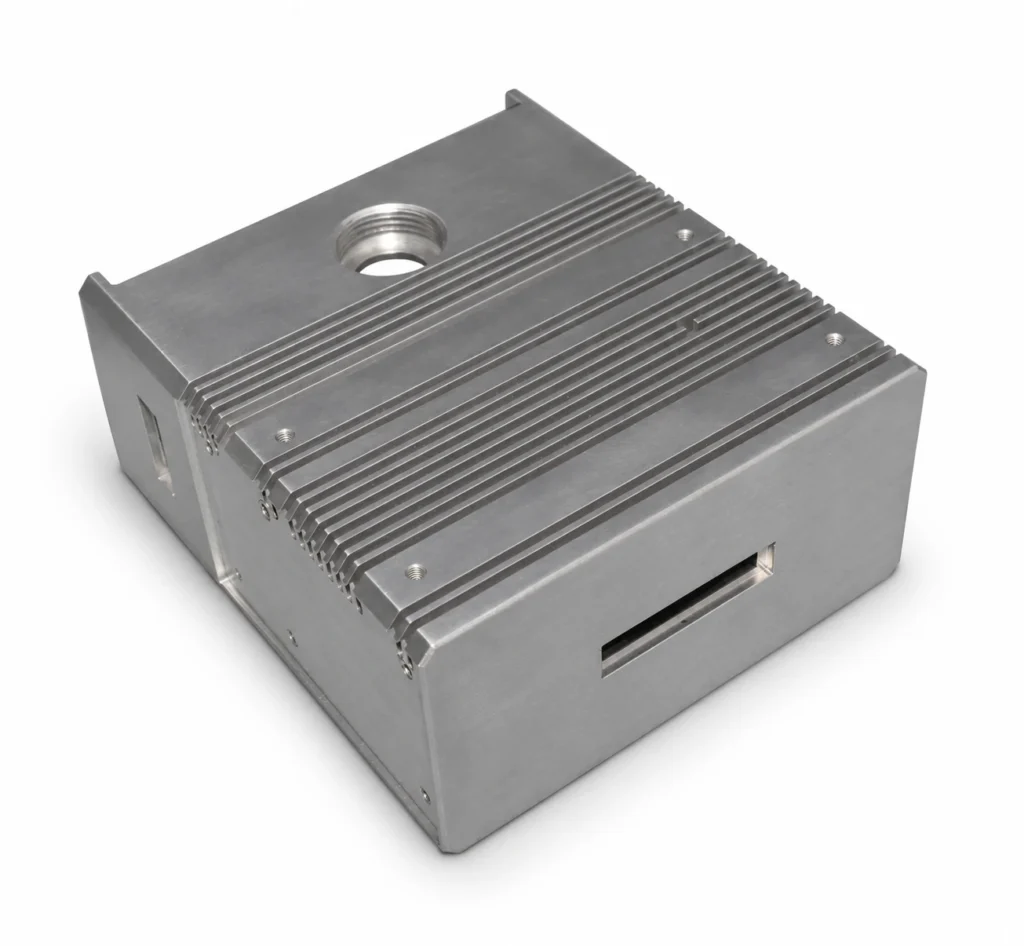
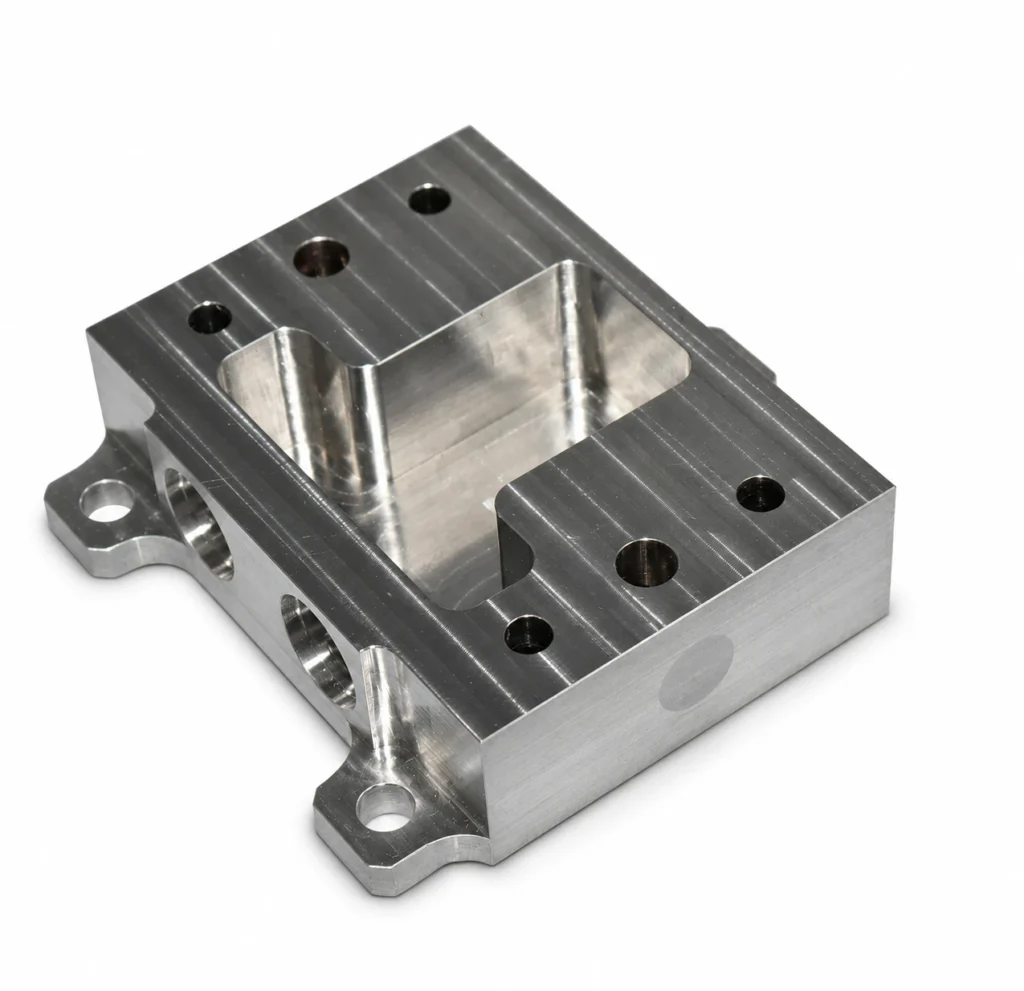
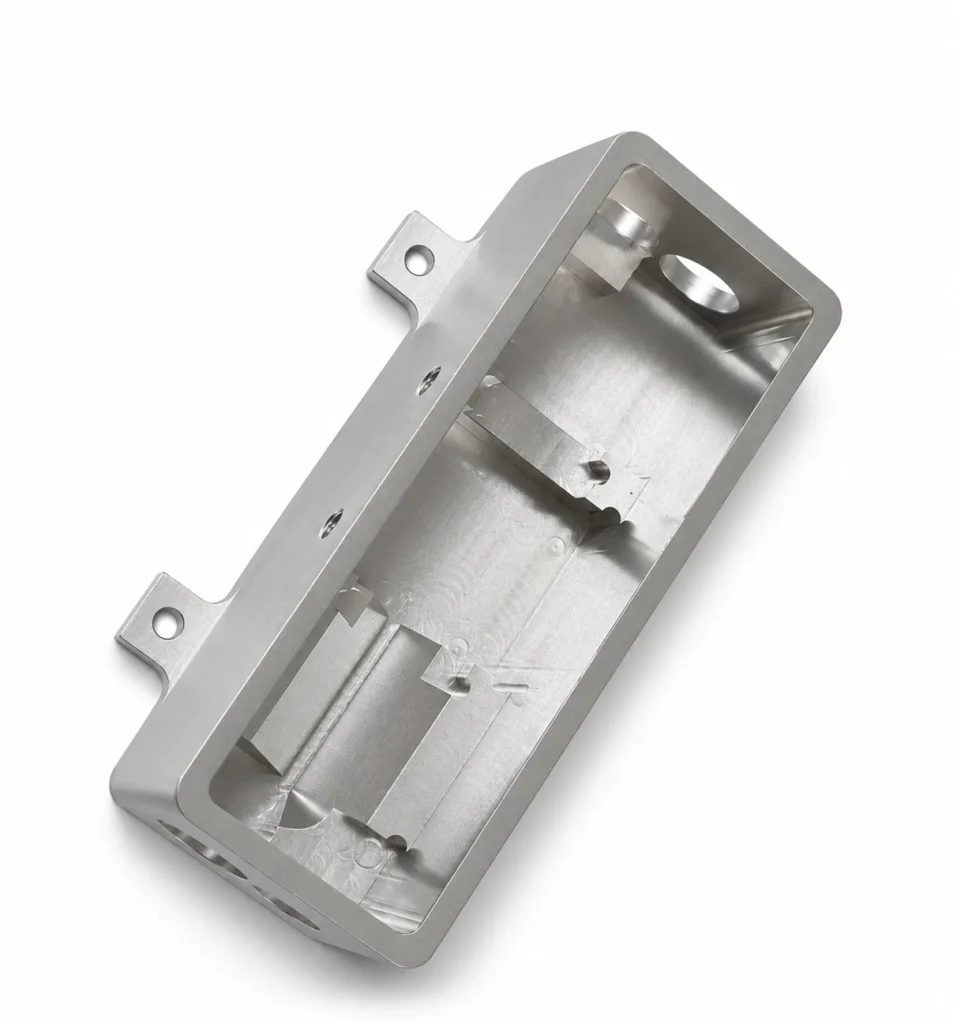
We machine Kovar housings to drawing and we plate to drawing, including selective gold with a nickel underplate and masked seal lands. We can prepare and finish parts for a sealing or joining process agreed in the project, and we will say plainly which surfaces are plated and which are left for the seal.
We do not publish a house gold thickness or a hermeticity class, because the right values depend on your seal, braze and die-attach process. We do not claim a finished hermetic seal from plating alone — hermeticity is proven by a leak test on the assembled part, per the agreed method and rate. If your drawing says “gold plated” with no sequence, the first thing we will ask is when the seal happens relative to the plating.
What to send with the RFQ
Send the drawing revision, 2D drawing and STEP model, alloy standard and condition, functional zones and masking tolerances, coating stack and thicknesses, planned heat-treatment and joining sequence, and inspection or leak-test requirements. Engineering review will establish the manufacturing scope, finish and acceptance conditions.
Request a review of the housing drawing, coating zones and process sequence
Frequently asked questions
Can a Kovar part use a coating stack without a nickel underplate? “Gold plated” alone is not enough to decide. Provide the specified stack, joining process, thermal cycles and inspection standard. Any alternative stack needs project-specific process review and validation.
Should the part be plated before or after sealing? It depends on the seal system, thermal cycle and compatibility with the plating process. Send the planned sequence and acceptance requirements with the drawing for review; there is no fixed order for all glass or ceramic packages.
Does gold plating make the housing hermetic? No. Hermeticity comes from the glass or ceramic seal and a sound joint, proven by a leak test on the assembled part. Plating protects and prepares the surface; it does not create the seal.