
On this page
Precision gold plating on a machined part is defined by three things: which surfaces are plated, the layer stack and thickness, and how the finished part is inspected. A drawing that specifies all three is quoted faster than a request that says only “gold plating,” because it leaves no key decision open. The coating exists to serve a function — contact resistance, solderability, wear, corrosion, or a hermetic seal face — and that function is what the drawing should express.
What precision gold plating covers
Beyond selective masking and coating stacks, precision gold plating is gold finishing applied to defined functional areas of a machined or formed component, where the coating thickness, purity, adhesion and placement are controlled to the drawing rather than applied as decorative plate. It differs from general gold plating in the same three respects this guide returns to: which zones are plated and which stay as unplated zones, the layer stack and thickness, and how the finished part is inspected. It is used where contact resistance, solderability or wire-bondability, or a wear- or corrosion-critical face — such as the sealing surface of a hermetic package — has to be controlled, not merely plated. To quote a completed precision gold plating specification, send a marked drawing and, where available, a 3D model with revision, the base material grade and supply scope, the plating and unplated zones, and the coating standard and inspection criteria; our engineering team replies within 1–2 business days.
Define the part and supply scope first
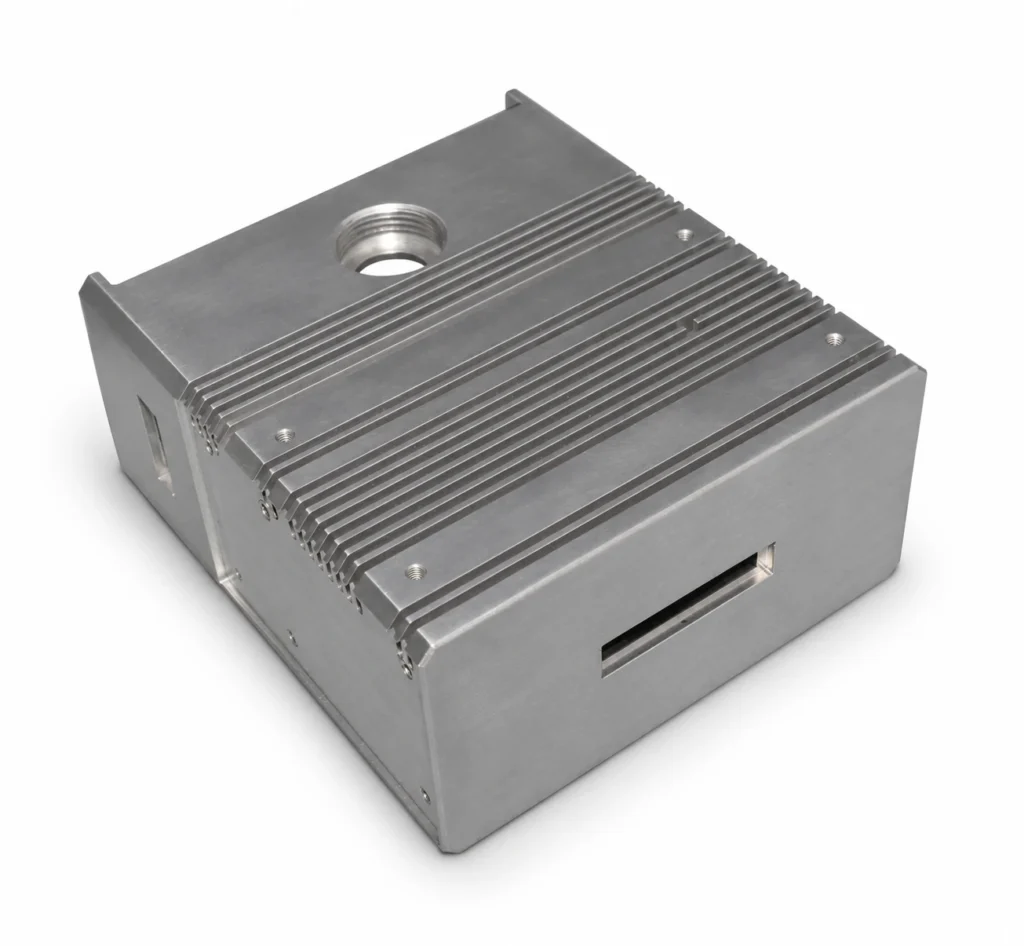
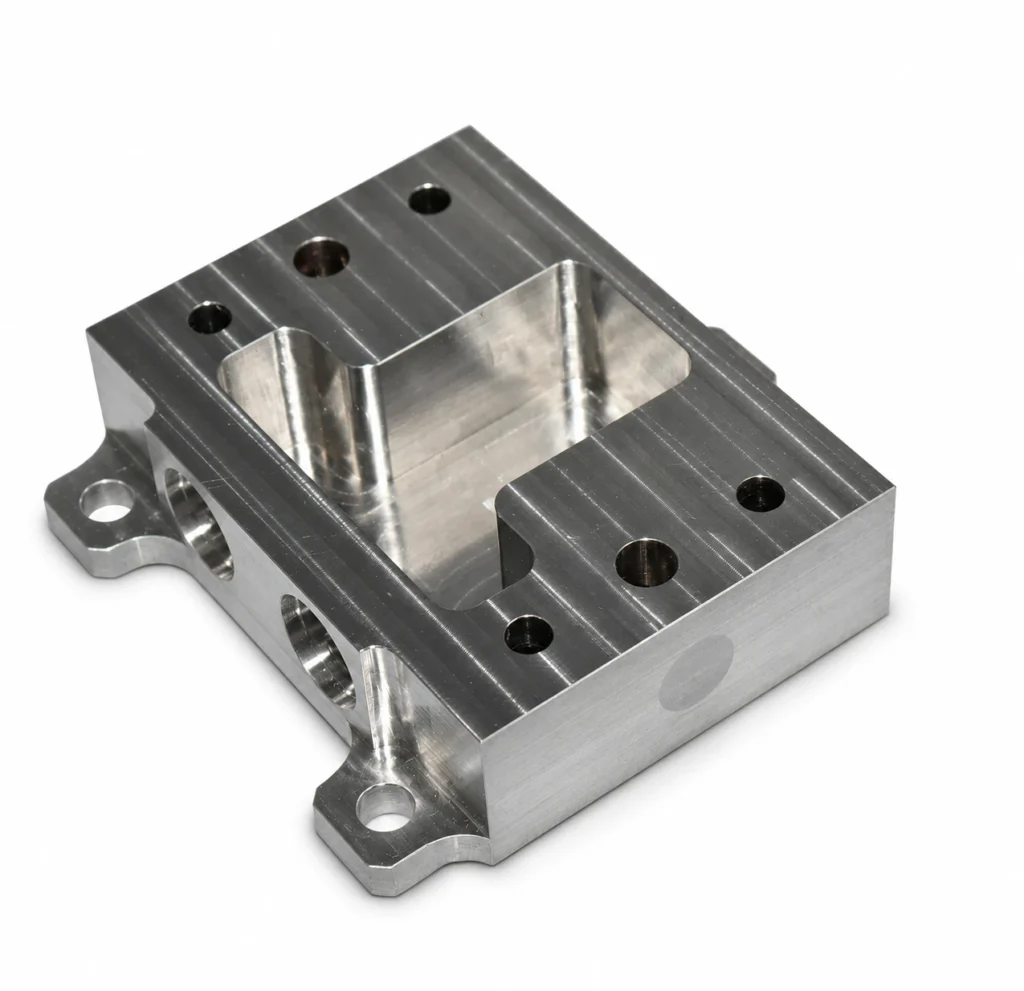
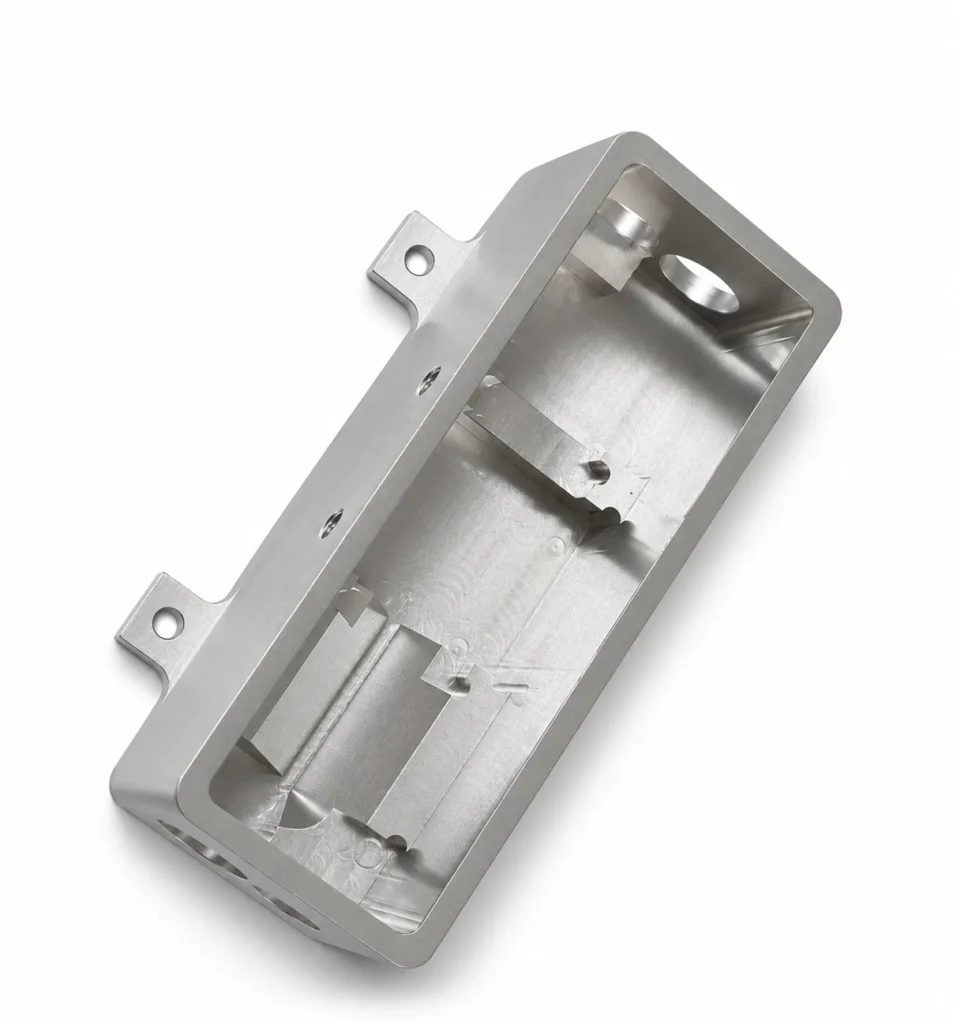
JYX’s electroplating capability covers surface finishing for precision components, including copper–nickel–gold stacks and selective areas. For package-housing enquiries, provide the substrate grade, machined features and assembly requirements. See our laser package housing page and the Kovar housing and selective-plating example for the relevant component context.
Looking for plated strip or coil? Supply of metal strip, coil or reel-to-reel plated material needs a separate capability review. State the strip material, thickness, width, temper, coil format and plated pattern. Do not assume that a precision-part plating service includes continuous strip production or automotive material qualification.

Selective gold plating: mark the functional areas
Selective plating applies the coating to defined zones rather than treating the whole surface alike. Send a marked drawing identifying plated areas, unplated zones, datum references and the permitted transition boundary. Include recesses, holes, threads and assembly surfaces that need special attention. Area control and masking feasibility must be reviewed against the actual geometry.
Type I, II and III: include the standard and revision
A type designation alone is not a complete coating specification. In ASTM B488, types identify minimum gold purity and separate codes identify hardness. Provide the required standard and revision, purity/type, hardness code and thickness requirement together. Do not use “soft gold,” “hard gold” and a type number interchangeably without checking the specification invoked by your drawing.
The ASTM B488 specification overview explains this classification. It is a technical reference, not a statement that every JYX project is certified to that standard. Project compliance must be agreed during review.
Specify each layer and the final dimensions
For a copper–nickel–gold stack, identify the required thickness and acceptance limits for each layer rather than specifying only the total coating. State whether critical dimensions apply before or after finishing. The substrate, surface preparation, coating sequence and mating requirements need to be considered together; the appropriate stack is confirmed for the individual part.
Agree inspection before ordering
Identify thickness measurement locations, the proposed measurement method, sampling or inspection scope, and any appearance, adhesion, porosity or functional requirements called out by the drawing. If you require material records, inspection reports or quality certificates, list the exact documents and applicable standards in the enquiry so availability and scope can be confirmed before quotation.
What to send for a useful quotation
- 2D drawing and, where available, a 3D model, including revision.
- Base material grade and whether you need a finished component, plating of supplied parts, or strip/coil material.
- Marked plating zones, unplated zones, boundary tolerances and critical finished dimensions.
- Coating standard/revision, layer thicknesses, purity and hardness requirements.
- Prototype quantity, anticipated repeat quantity and required delivery date.
- Inspection criteria and required documents.
MOQ, price and lead time depend on the reviewed part, finish and batch requirements. Upload your marked drawing and coating spec — our engineering team reviews material, plating zones and inspection scope and replies within 1–2 business days.
Frequently asked questions
What defines a precision gold plating specification?
Precision gold plating on a part is defined by three things: which surfaces are plated, the layer stack and thickness, and how the finished part is inspected. A drawing that specifies all three is quoted faster than a request that says only “gold plating.”
What is selective gold plating and what should a drawing mark?
Selective plating applies the coating to defined zones rather than the whole surface. The drawing should mark plated areas, unplated zones, datum references and the permitted transition boundary, including recesses, holes, threads and assembly surfaces that need special attention.
Does a “Type II” designation fully specify the coating?
No. In ASTM B488, types identify minimum gold purity and separate codes identify hardness. Provide the standard and revision, purity/type, hardness code and thickness requirement together — a type designation alone is not a complete coating specification.
What should a gold-plating RFQ include?
A 2D drawing and, where available, a 3D model with revision; base material grade and supply scope; marked plating and unplated zones with boundary tolerances; coating standard/revision, layer thicknesses, purity and hardness; quantities and required delivery date; and inspection criteria and required documents.
For low-expansion package housings, review Kovar plating zones and joining sequence alongside the component drawing.